
Hospitality and generosity play an important role in people’s lives, and although practices differ between East and West, between luxury and simplicity, the common ground remains the desire to honor and appreciate others and to share a moment of human warmth.
In Arab culture, the table has historically been one of the most important spaces in social life. It is not merely a place to eat, but a stage for hospitality, cultural transmission, and building bonds. For centuries, sharing food has been a way to affirm belonging and respect.
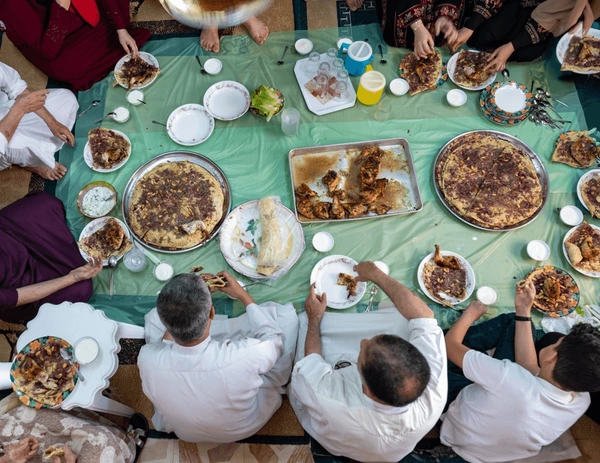
From Bedouin desert traditions to the urban homes of the Levant and the Maghreb, offering food to others—whether known or strangers—has been a deeply rooted cultural norm. Serving others before oneself, insisting on abundance, and prolonging the gathering are gestures that express honor and generosity.
This concept of food traveled with the Arab diasporas to Latin America. Migrant families brought not only ingredients and recipes but a specific way of understanding the table: as a space for meeting, conversation, and care.

Over generations, these values became fully integrated into Latin American life. Today, many practices that seem natural—serving more than enough, insisting on second helpings, extending a meal for hours—have roots in that Arab tradition.
In a present marked by quick and solitary consumption, sharing the table remains a living lesson: an Arab cultural heritage that Latin America has made its own.