
At first glance, an Arab carpet and an Andean textile seem worlds apart. But if you look closer, surprising connections appear: rich colors, rhythmic patterns, geometric shapes full of meaning, and a deep bond to the maker’s identity.
In both the Arab world and Latin America, craftwork is more than just decoration. It’s visual storytelling. Every woven piece, every pot, every stitch carries tales of land, family, and collective memory. Patterns aren’t repeated by chance—they’re a living language, handed down through generations.
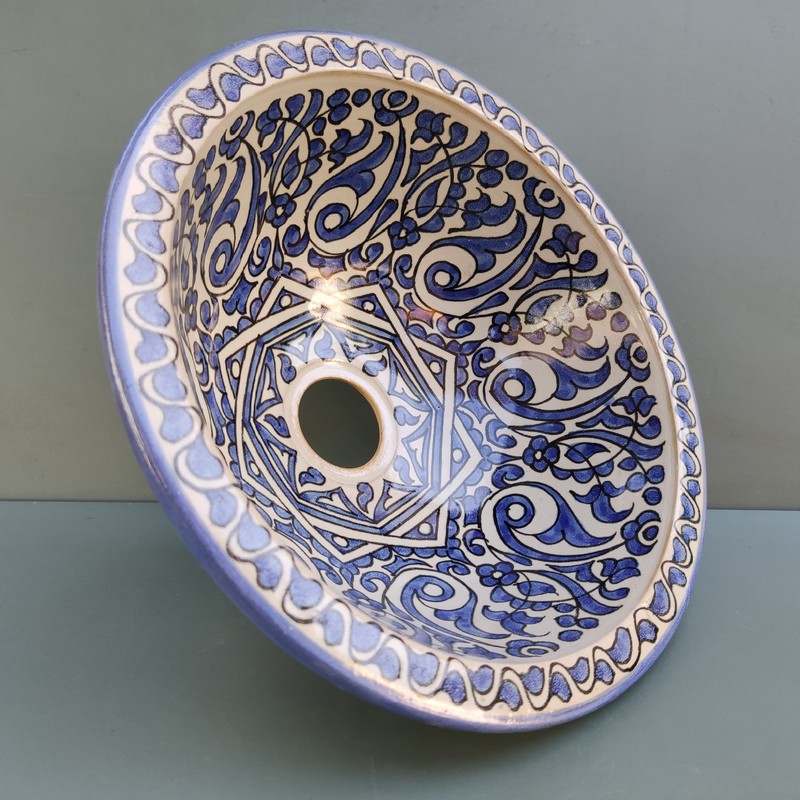
Color here is expressive, emotional. Bold tones, striking contrasts, and vibrant arrangements mirror an intense bond with nature—deserts, mountains, jungles, and plains all translate into color. This isn’t art that plays it safe. It’s art that boldly declares who we are.
These visual languages, born in villages and cities alike, now speak through contemporary design. Textile artists, graphic designers, and creators are weaving these age-old patterns into today’s fashion, interiors, and street art. What was once “craft” is now very much alive and present.
The link between Arab and Latin American craft isn’t about copying—it’s a shared sensibility. It’s the urge to say who we are through shape, color, and symbol. In a globalized world, these handmade pieces remind us that identity is woven slowly, by hand, with memory as the thread.