
Greeting is a key social feature of people and cultures throughout the world, as it represents and introduces those belonging to said cultures. Furthermore, it expresses their traditions, values, and manners.
In the Arab world, a greeting someone is not a superficial gesture nor a social formality. It is a cultural practice, centuries old, tied to community, respect, and mutual acknowledgment. To greet someone means to take a break, look them in the eye, and create a moment of connection before anything else happens.
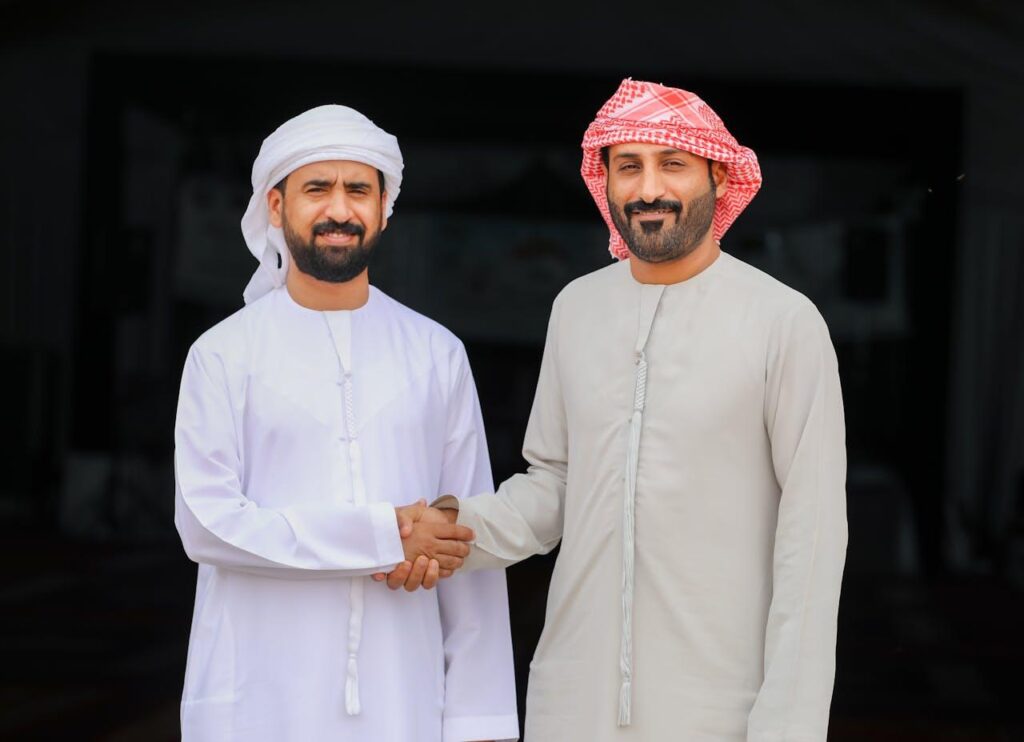
From the ancient caravan cities of the Arabian Peninsula to the marketplaces of the Maghreb and the homes of the Levant, greetings have been a way to ensure coexistence in contexts where hospitality was essential for social survival. Acknowledging the other —even a stranger— was a way to symbolically integrate them into the shared space.
This tradition is expressed through extended greetings, repeated formulas, inquiries about family and well-being, and body language marked by closeness. The Arab greeting does not seek efficiency; it seeks connection. It is a deliberate pause that affirms the dignity of the interlocutor.
When Arabs migrated to Latin America between the late 19th and mid-20th centuries, this concept of greeting crossed the Atlantic. Merchants, artisans, and families from Syria, Lebanon, and Palestine settled Latin American societies where human contact already held central value. The result was an immediate affinity.
Today, when many interactions are reduced to minimal gestures, this tradition reveals its lasting relevance. Greeting with time, interest, and presence is to preserve an Arab cultural heritage that remains alive in Latin America.