
In much of the world, life has become a permanent race against the clock. Yet within both the Arab world and Latin America, a different rhythm endures –a way of life where haste is not a virtue and a pause is never seen as time wasted.
For these cultures, the time revolves around human connection. Conversations flow without strict agendas, visits linger without set endings, and meals extend into gathering spaces. This is not disorder, but a matter of priority: the human bond takes the spotlight.
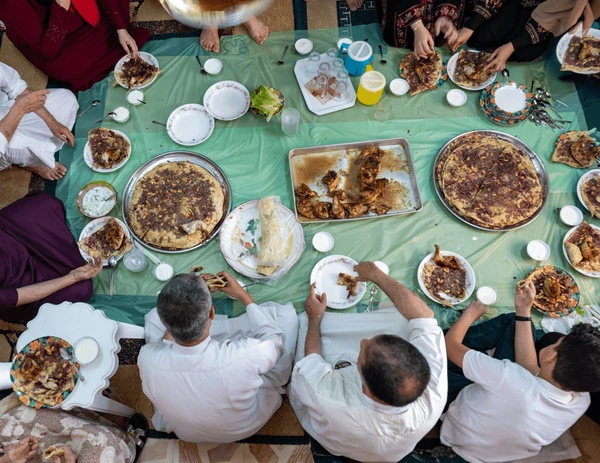
This way of inhabiting time reveals itself in daily gestures. Sitting to talk, sharing a coffee, walking without hurry, or offering one’s full attention to another are common customs in Latin American neighborhoods and Arab cities alike. In both, the value of the encounter outweighs the logic of constant productivity.
Whereas other cultures often measure efficiency in speed, here it is measured in depth. Relationships are nurtured over time, friendships are deepened through presence, and trust is built though repeated connection. Having slow sense of time is not passive –it is a conscious, deliberate way of living.
In a global landscape defined by exhaustion and overload, this cultural heritage is being viewed with fresh appreciation. The pause, once mistaken for backwardness, is now reclaimed as well-being. Shared moments became a rare and precious luxury.
Perhaps the greatest lesson offered by the Arab world and Latin America is not how to stop time, but how to inhabit it more fully –a quiet wisdom passed along in every clockless conversation and every unhurried encounter.