
By Alvaro Hopkins
In the heart of Al-Madinah, Saudi Arabia, the Al-Madinah Museum opens its doors to travelers, inviting them to explore a cultural legacy that transcends borders.
Located in the historic Al-Hejaz Railway Station, founded in 1908, this museum houses more than 2,000 artifacts that narrate the evolution of one of the most significant cities of Islam.
Since its opening in 1983, it receives 300,000 visitors from 52 countries annually, offering a 40-minute tour that connects history with spirituality.
A journey through history
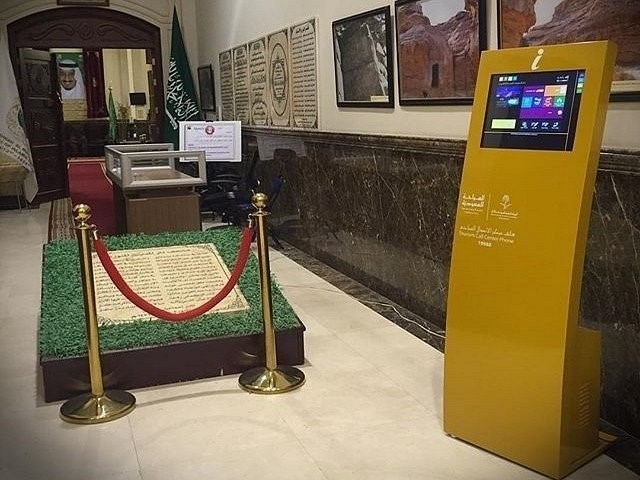
The Al-Madinah Museum transforms the former Al-Hejaz Railway Station into a cultural space that documents the development of the city from its pre-Islamic period to its consolidation as the epicenter of Islam.
The rooms exhibit detailed models, such as the one that recreates the evolution of the Prophet’s Mosque, from a modest house in the VII Century to the majestic complex of today, , visited by millions every year.
Among the 2,000 objects on display are coins from the prophetic era, Islamic manuscripts, and agricultural tools that reflect daily life in Al-Madinah.
According to a visitor, “the history of the city is very well presented, documenting the landscape and how it has evolved over the years”.
The guides in Spanish, Arabic and English facilitate an accessible experience for Latin Americans, who find in these narratives echoes of their own passion for history.
Cultural connections with Latin America
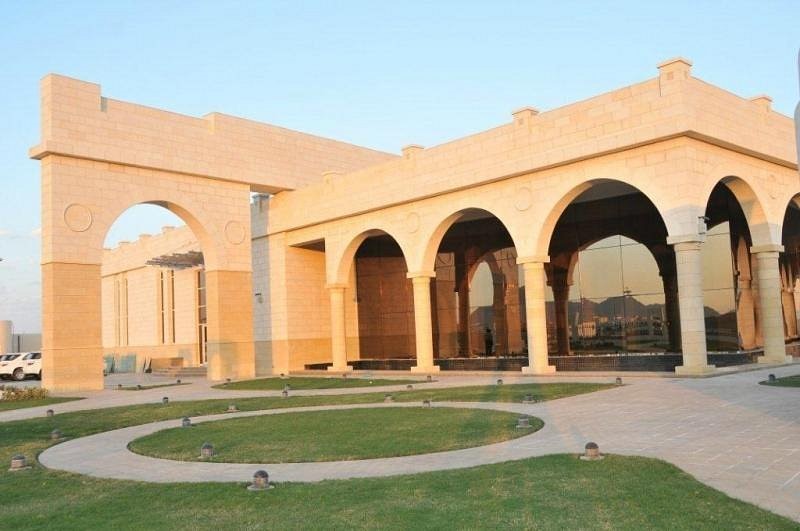
The museum not only preserves the past, but also establishes a cultural dialogue with Latin America. The spirituality that defines Al-Madinah, centered on the Prophet’s Mosque, resonates with Latin American traditions such as religious festivities in Mexico or community celebrations in the Andes.
The collections include ceramics, jewelry and clothing that illustrate daily life in different eras, evoking the rich craftsmanship of countries such as Peru and Colombia.
Furthermore, the multimedia exhibits, with videos and interactive displays, tell the story of Al-Madinah in a dynamic way, a format that connects with the sensibility of a region where orality and visuality are essential.
This cultural bridge makes the museum a destination that not only educates, but also celebrates the universality of faith and community, central values in Latin America.
How to visit the museum
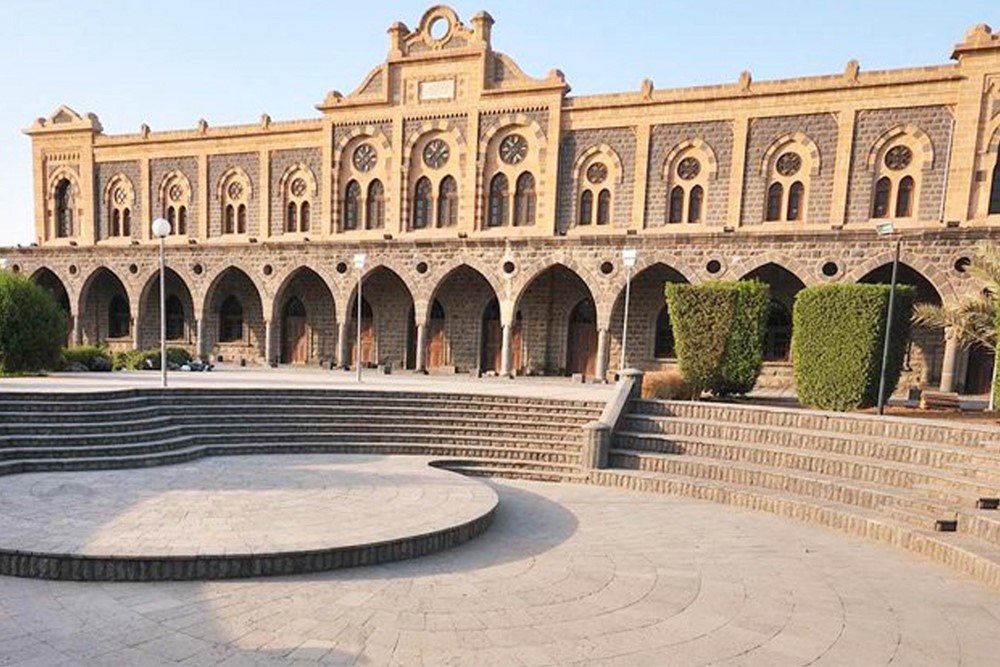
Located in the Knowledge Economic City, near the Prophet’s Mosque and the Haramain train station, the Al-Madinah Museum is easily accessible. It is open from Saturday to Thursday from 7:00 to 12:00 and from 16:00 to 22:00, with an entrance fee of 27 SAR (about 7 USD).
Guided tours, available in several languages, add historical and cultural details to the experience. A calligrapher at the entrance offers personalized souvenirs, an art reminiscent of Latin American craft traditions, such as Guatemalan textiles or Argentinean engravings.
The proximity to other key sites, such as the historic Al-Madinah market, makes it possible to combine the visit with a broader tour of the city. With facilities adapted for people with reduced mobility, the museum ensures accessibility for all visitors.
The Al-Madinah Museum is not only a repository of objects, but a space that invites Latin Americans to discover a legacy that dialogues with their own cultural identity.
Through its historical and spiritual narrative, it connects continents, offering an experience that combines learning, inspiration and admiration for the shared heritage of mankind. Planning a visit is to venture into a journey where history comes to life.