
Beyond grand monuments and famous buildings, there’s a quieter kind of architecture that shapes daily life. In both the Arab world and Latin America, home isn’t just a private shelter—it’s a shared, social space, intimate and open at once.
Inner courtyards, shaded walkways, potted plants, benches where you can sit and talk—these aren’t just design features. They’re part of how people live. Homes here are meant for gathering. They invite you in, to stay awhile, to share stories.
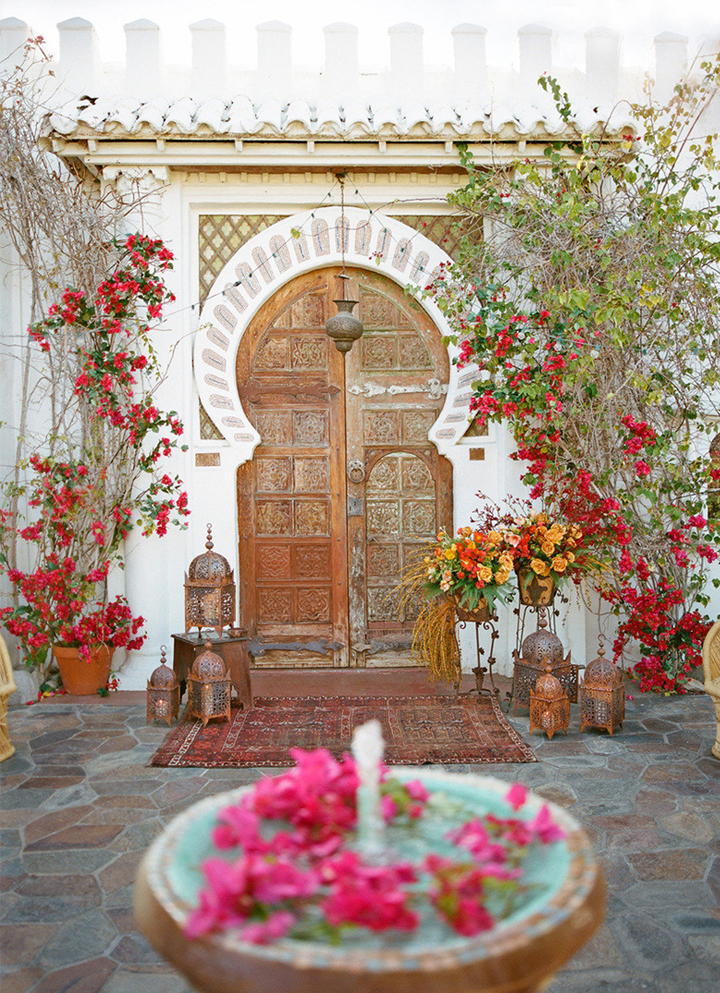
This way of living grows from both climate and culture. The courtyard, for instance, offers coolness and shelter, but it’s also the heart of the home—a place for family, conversation, rest, and celebration. It’s not somewhere you hurry through. It’s somewhere you belong.
Across Latin America, you’ll find the same spirit in colonial patios, shaded galleries, and covered outdoor spaces. Here, the line between private life and community life softly blurs. Living doesn’t happen only behind closed doors—it flows into these in-between places where relationships grow.
Today, this everyday architecture is inspiring designers and urban planners. Cafés, hotels, and homes are bringing back the courtyard as an oasis of calm and connection. In fast-paced cities, reclaiming such spaces means reclaiming a more human pace of life.
This kinship between Arab and Latin American living isn’t accidental. Both cultures understand that space shapes how we connect. And the best home isn’t the biggest one—it’s the one that welcomes you in to share it.