
By: Alvaro Hopkins

Rio de Janeiro, known worldwide as the “Cidade Maravilhosa” (Marvelous City), is one of Brazil’s most emblematic destinations. It offers an exceptional mix of cultural heritage, natural landscapes and vibrant urban life. Nestled between lush tropical mountains and the Atlantic Ocean, Rio boasts a diverse range of attractions, from historic monuments to world-famous cultural events. This article explores the city’s highlights, showcasing its historical richness, biodiversity, and significance as a cultural hub.
Christ the Redeemer: A Global Architectural and Religious Icon

Perched atop Corcovado Mountain at 710 meters above sea level, Christ the Redeemer is Rio de Janeiro’s most iconic landmark. The 38-meter-tall statue was designed by French sculptor Paul Landowski and Brazilian engineer Heitor da Silva Costa. It was inaugurated in 1931 and declared one of the New Seven Wonders of the World in 2007. Built in Art Deco style, the statue’s open arms symbolize both faith and the city’s welcoming spirit. Visitors reach the monument via the Corcovado Railway, which winds through Tijuca National Park—one of the world’s largest urban tropical forests. From the summit, panoramic views stretch across Guanabara Bay, Copacabana and Ipanema beaches, and Rio’s urban skyline. Combining architectural grandeur, cultural significance and a protected natural environment, this place is a must-see.
Copacabana and Ipanema Beaches: The Heart of Carioca Life
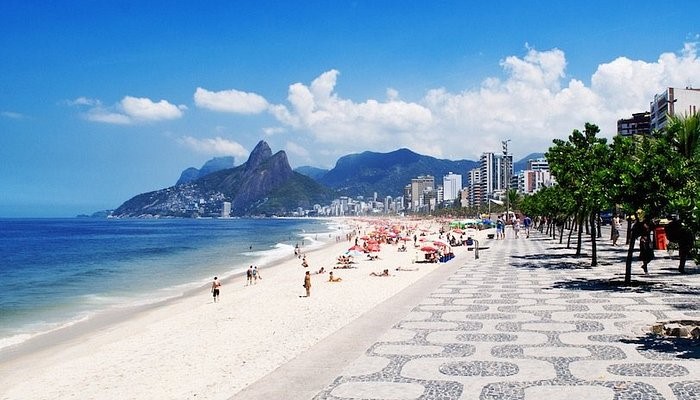
Copacabana and Ipanema beaches are pillars of Rio’s identity, serving as social hubs for recreation and cultural expression. Copacabana stretches four kilometers along a coastline famed for its promenade, designed by landscape architect Roberto Burle Marx, whose wave-like mosaics have become an enduring symbol. The beach buzzes with activity, from football and volleyball to cultural events, drawing both locals and tourists into its vibrant rhythm. Meanwhile, Ipanema offers a more exclusive and serene atmosphere, immortalized by the bossa nova classic “The Girl from Ipanema” (Antônio Carlos Jobim and Vinicius de Moraes). Both beaches captivate visitors with golden sands, spectacular sunsets, and the unmistakable energy of Rio’s urban life.
Sugarloaf Mountain (Pão de Açúcar): A Natural Landmark

Rising 396 meters above the harbor, the Sugarloaf Mountain is a granite monolith accessible via a two-stage cable car. The ride stops at Urca Hill before reaching the summit, offering breathtaking views of Guanabara Bay, downtown Rio, and the surrounding peaks. A hotspot for rock climbing and outdoor activities, Sugarloaf epitomizes Rio’s unique fusion of urban and natural landscapes.
Rio Carnival: A Celebration of Cultural Heritage

The Rio Carnival is one of the world’s most spectacular cultural events, celebrated for its scale, creativity, and deep-rooted traditions. At the Sambadrome Marquês de Sapucaí, samba schools compete with elaborate floats, costumes, and choreographies that narrate Brazilian history and folklore. These parades are the culmination of months of community effort, blending Afro-Brazilian and Indigenous influences. Beyond the Sambadrome, street parties (“blocos”) draw millions into spontaneous celebrations, democratizing the festival’s joy. More than a party, Carnival is a testament to Rio’s communal spirit and artistic vitality.
Santa Teresa: Bohemian Charm and History

The hillside neighborhood of Santa Teresa fuses colonial architecture with a bohemian vibe. Known as Rio’s “Montmartre,” its cobbled streets, 19th-century mansions, and artist studios attract creatives. Highlights include the Parque das Ruínas, a cultural center with panoramic views, and the Santa Teresa Convent, a relic of the area’s religious past. The historic Bonde tram, which connects the district to downtown, adds a nostalgic charm to this artistic enclave.
This neighborhood is a haven for those looking to explore the artistic and historical side of Rio in a quieter setting.
Botanical Garden: A Sanctuary of Biodiversity
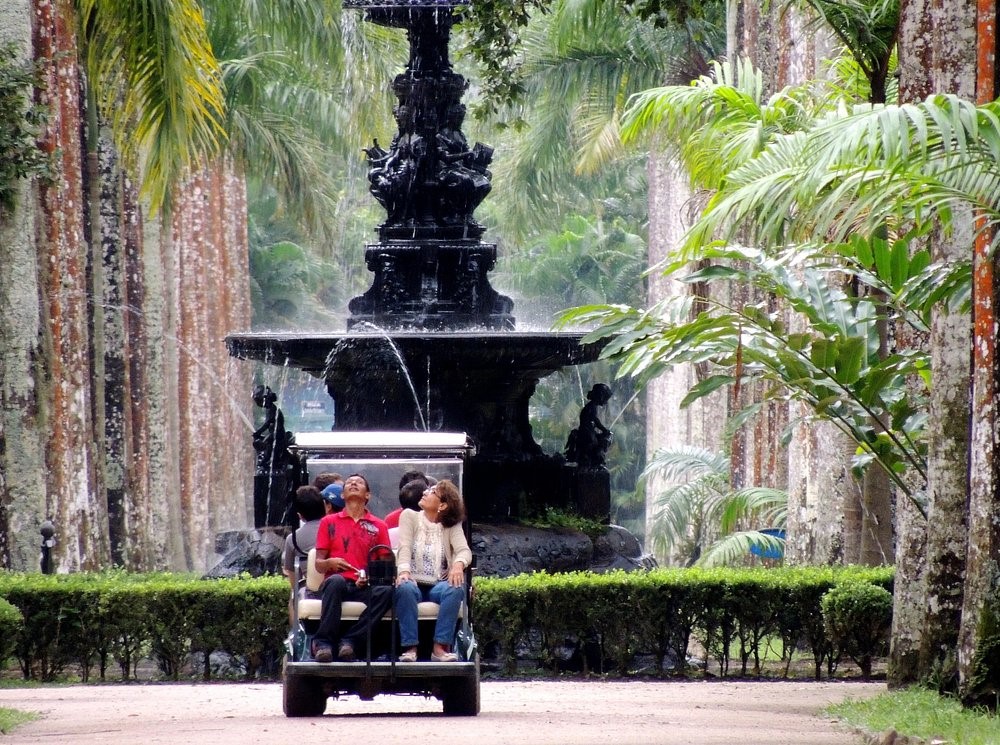
Founded in 1808 by Portugal’s King João VI, the Botanical Garden spans 54 hectares with over 6,500 plant species, including towering imperial palms, orchids, and water lilies. Its trails, lakes, and greenhouses blend science and serenity, while the Corcovado looms in the background. A living testament to Brazil’s commitment to nature, the garden also hosts cultural exhibitions.
Downtown Rio: Where History Meets Modernity
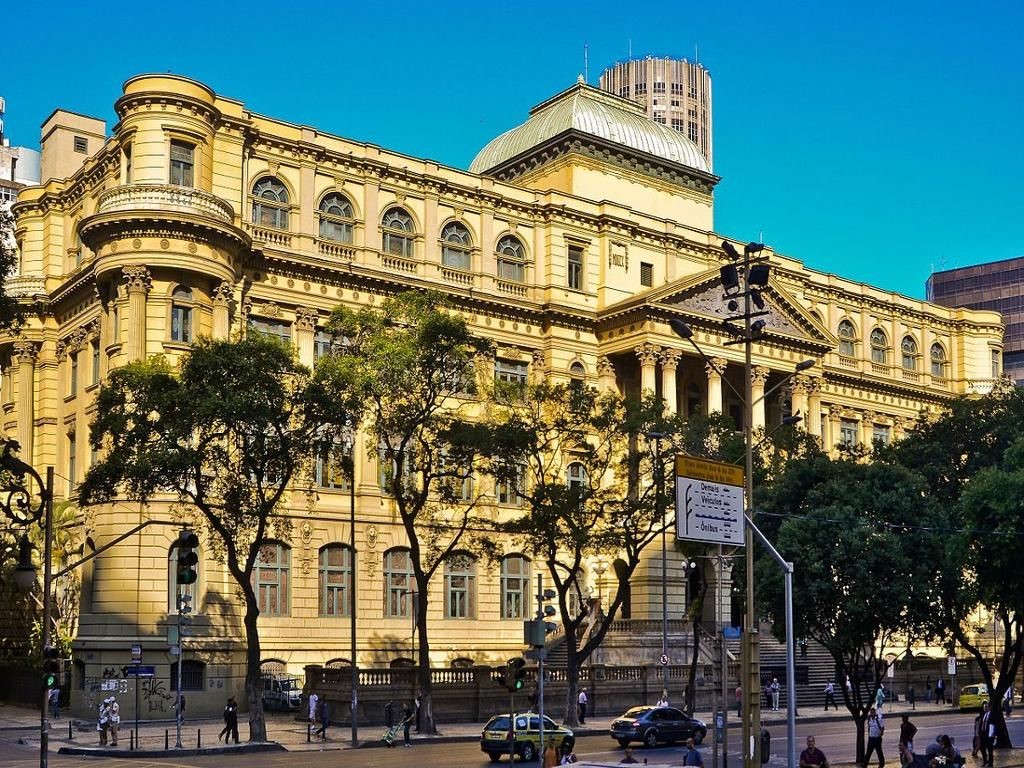
Rio’s historic center reflects its colonial and republican past. The modernist Metropolitan Cathedral, with its striking pyramid-like design, contrasts with the traditional architecture of the Theatro Municipal and National Library. The Lapa neighborhood is famous for its colonial arches and vibrant nightlife, where samba clubs and bars attract visitors and residents alike.